 US Hwa Rang Kwan
Korean wrestling, at least, goes back to the 4th to 5th century: a Goguryeo tomb from that time is named after the wrestling scene painted on its wall. In the Silla kingdom, the hwarangdo was a youth training group led by the Hwarang, with educational and military roles; the state formally set it up during the reign of King Jinheung (540–576). In 1790, the Joseon court completed the Muye Dobo Tongji, an illustrated manual of 24 martial arts. Today, Taekwondo is an Olympic sport, Taekkyeon and Ssireum are on UNESCO's heritage list, and Korean martial arts practiced today also include Kumdo, Haidong Gumdo, Hapkido, Kuk Sool Won, Tang Soo Do and Hwa Rang Do.
Ancient times: wrestling in Goguryeo tomb murals
The Encyclopedia of Korean Culture describes Gakjeochong as a Goguryeo tomb from the 4th to 5th century with wall paintings of indoor life and wrestling. The tomb takes its name from the wrestling scene on the east wall of its burial chamber.
Silla: the Hwarang
The Encyclopedia of Korean Culture describes the hwarangdo as a Silla-period youth training group led by the Hwarang. It had educational, military and social roles. The state formally set it up during the reign of King Jinheung (540–576), though the exact year is not known.
A Korean sword form called Bonguk-geom is also linked to Silla. The Encyclopedia of Korean Culture calls it Korea's own sword art, centered on the Silla Hwarang, but notes that it cannot be confirmed that it was really the sword art the Hwarang used. It also says that, whatever its exact origin, it is certainly a distinctly Korean sword art.
Joseon: the Muye Dobo Tongji (1790)
From the mid-Joseon period, Bonguk-geom was a test subject in the infantry military examination. In 1790, under King Jeongjo, the scholars Yi Deok-mu, Park Je-ga, Baek Dong-su and others completed the Muye Dobo Tongji, a four-volume, woodblock-printed manual for training soldiers. It covers 24 martial arts: 18 on foot and 6 on horseback. Bonguk-geom appears in volume 3. A copy held in the Grand People's Study House was added to UNESCO's Memory of the World Register in 2017.
Korean martial arts today
- 1953: the Korea Kumdo Association was founded on November 20 and joined the Korean Sports Council the same day.
- 1972: Kukkiwon opened as the central training hall of taekwondo on November 30.
- 1992: the Korea Kumdo Association started a Bonguk-geom form competition.
- 2000: taekwondo became an official Olympic medal sport at the Sydney Games, after a demonstration at Seoul 1988.
- 2011: Taekkyeon was added to UNESCO's Representative List of the Intangible Cultural Heritage of Humanity.
- 2018: traditional Korean wrestling, ssireum, was inscribed by UNESCO in one file listing both North and South Korea.
Korean martial arts list: the main styles today
Taekwondo
Olympics.com says hands and feet can both be used in taekwondo, but the trademark of the sport is its combination of kicks. Its Olympic and Kukkiwon dates are in the timeline above.
Taekkyeon
UNESCO describes Taekkyeon as a traditional Korean martial art that uses fluid, rhythmic, dance-like movements to strike or trip up an opponent.
Ssireum (Korean wrestling)
In ssireum, two players wear long fabric belts around the waist and one thigh, grip each other's belt and try to bring the opponent to the ground.
Kumdo
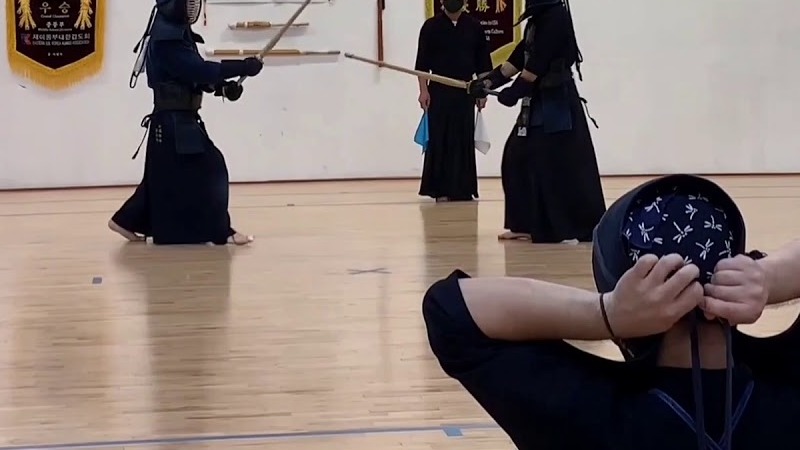
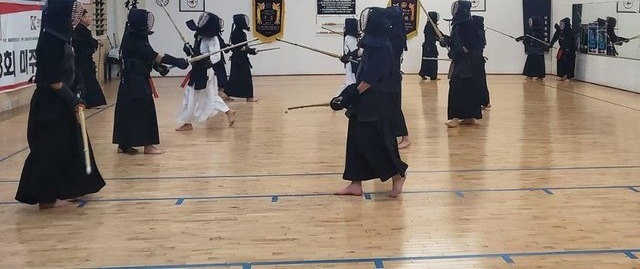
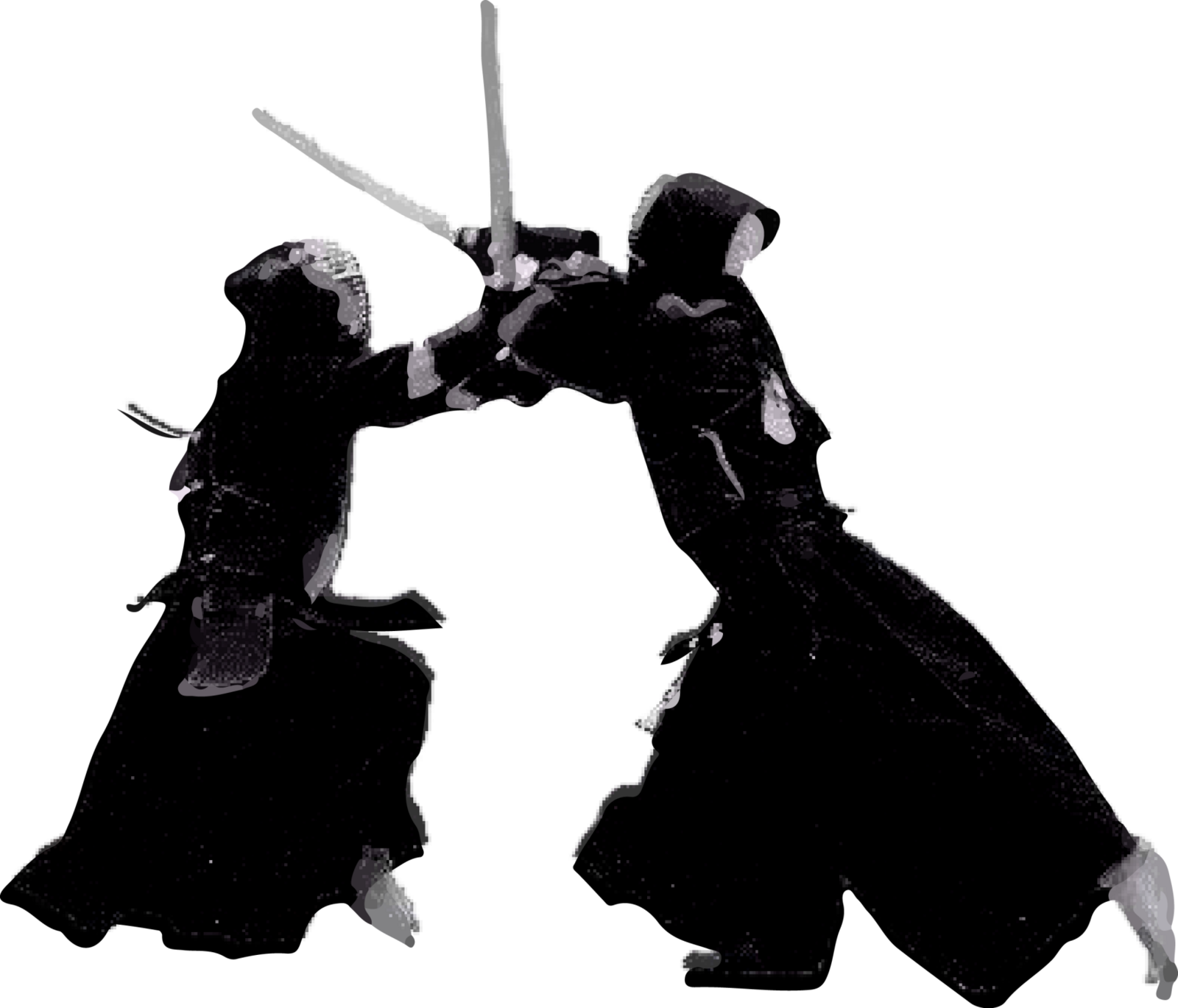
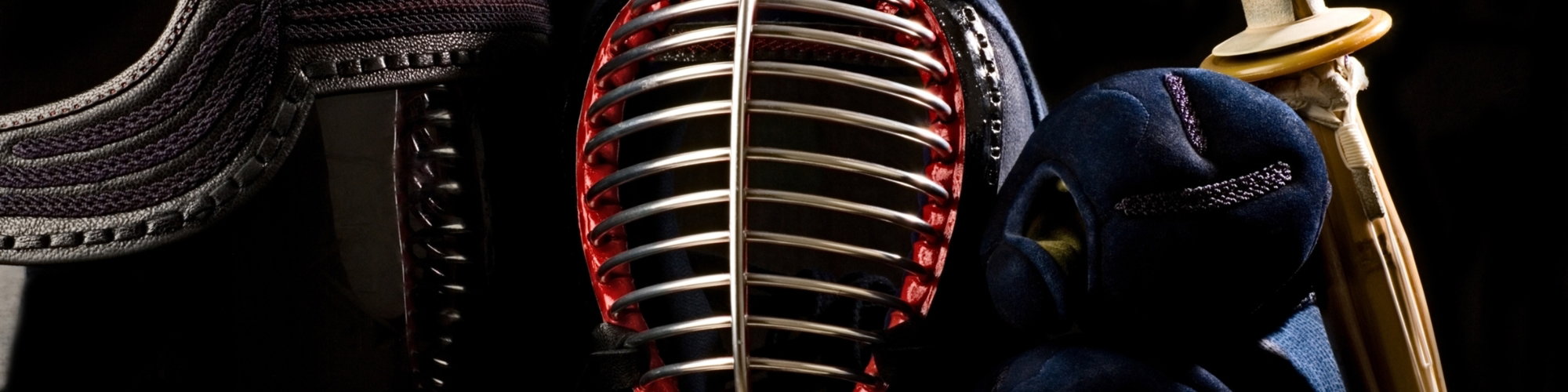
Kumdo is the Korean sword martial art and sport governed by the Korea Kumdo Association. Two players in hogu armor strike set targets with a bamboo sword (jukdo). See What Is Kumdo?
Haidong Gumdo
Haidong Gumdo is a separate Korean sword art. Its federation says the first Haidong Gumdo training hall opened in 1982, and its rank tests include forms and cutting tests. See Kumdo vs. Haidong Gumdo.
Hapkido
The Encyclopedia of Korean Culture describes hapkido as a defensive martial art for self-defense, known for joint locks and strikes to vital points.
Kuk Sool Won
According to its organization, Kuk Sool was created by In Hyuk Suh in 1958. The organization calls Kuk Sool Won a systematic study of the traditional fighting arts of Korea.
Tang Soo Do
The World Tang Soo Do Association traces its U.S. start to 1968, when Jae Chul Shin formed the U.S. Tang Soo Do Federation in Burlington, New Jersey.
Hwa Rang Do
The Korean Hwa Rang Do Association was registered with the Korean government in 1960 by its founder, Joo Bang Lee. Hwa Rang Do is a different martial art from Kumdo. (US Hwa Rang Kwan, our school, teaches Kumdo.)
Which Korean martial arts use a sword?
Kumdo and Haidong Gumdo are built around the sword. Kumdo spars in armor with a bamboo sword under the Korea Kumdo Association's match rules. Haidong Gumdo's tests include cutting with wooden and practice swords.
What are the benefits of Kumdo?
Of the Korean martial arts above, Kumdo is the one US Hwa Rang Kwan teaches, and it trains body and mind together. The Korea Kumdo Association describes these benefits:
- Whole-body fitness: training develops the whole body evenly and especially strengthens heart and lung function, and is excellent for building endurance, quickness and agility.
- A strong mind: it builds high concentration, patience, decisiveness and composure.
- Emotions and manners for young people: it is a great help to young people's healthy emotional growth and manners education.
The Encyclopedia of Korean Culture adds that people of any age or gender can practice Kumdo for their whole lives.
FAQ
What is the oldest Korean martial art?
No single answer is confirmed. Wrestling appears in a Goguryeo tomb painting from the 4th to 5th century, and the Silla hwarangdo, a youth training group with military roles, was formally set up under King Jinheung (540–576).
Who were the Hwarang?
The Hwarang led the hwarangdo, a youth training group in the Silla kingdom with educational and military roles, according to the Encyclopedia of Korean Culture. The state formally set it up during the reign of King Jinheung (540–576).
What is the Muye Dobo Tongji?
An illustrated Korean martial arts manual completed in 1790 under King Jeongjo. It covers 24 martial arts.
Which Korean martial art is in the Olympics?
Taekwondo. It became an official Olympic medal sport at the 2000 Sydney Games.
What is the Korean sword martial art called?
Kumdo (검도) is a Korean sword martial art. Haidong Gumdo is another Korean sword art.
Which Korean martial arts are on UNESCO's list?
Taekkyeon (2011) and traditional Korean wrestling, ssireum (2018), are on UNESCO's Representative List of the Intangible Cultural Heritage of Humanity.
Is Hwa Rang Do the same as US Hwa Rang Kwan?
No. Hwa Rang Do is its own martial art. US Hwa Rang Kwan is a Kumdo school.
Learn Kumdo near Washington, DC
US Hwa Rang Kwan Kumdo teaches students 7 years and older in Chantilly, Virginia and Ellicott City, Maryland. New students at the Chantilly, VA dojang can start with 3 semi-private lessons for $19.99. For Ellicott City, please contact us before you visit.
Sources
- Encyclopedia of Korean Culture: Gakjeochong (wrestling mural tomb)
- Encyclopedia of Korean Culture: Hwarangdo
- Encyclopedia of Korean Culture: Bonguk-geom
- Encyclopedia of Korean Culture: Muye Dobo Tongji
- Encyclopedia of Korean Culture: the 24 martial arts
- UNESCO Memory of the World: Mu Ye Do Bo Tong Ji
- Encyclopedia of Korean Culture: Kumdo
- Korea Kumdo Association: history
- Kukkiwon: history
- Olympics.com: taekwondo
- UNESCO: Taekkyeon
- UNESCO: traditional Korean wrestling (ssireum)
- Korea Kumdo Association: definition of Kumdo
- World Haidong Gumdo Federation: about Haidong Gumdo
- Encyclopedia of Korean Culture: hapkido
- Kuk Sool Won: about
- World Tang Soo Do Association: about
- World Hwa Rang Do Association
- Korea Kumdo Association: about Kumdo (in Korean)