 US Hwa Rang Kwan
Martial arts can be relatively safe for kids when practiced appropriately, says the American Academy of Pediatrics (AAP) on its HealthyChildren.org page, though no sport is entirely without risk. The AAP recommends starting with noncontact form and skill practice before any sparring, and says good training, coaching and refereeing are among the best ways to prevent injuries. In Kumdo, the Korea Kumdo Association says beginners learn the basics in about three months before they start wearing armor, and matches are run under the association's match and refereeing rules.
What does the AAP say about martial arts safety?
- Start without contact. When first getting started, focus on noncontact form and skill development before considering any sparring or contact.
- Injuries. One recent study found that children generally had a low injury rate in martial arts, and these injuries are often relatively mild.
- Prevention. One of the best ways to help prevent injuries is appropriate training, coaching and refereeing, especially as children start to compete.
- Gear. Headgear, body gear and mouthguards can help with many soft-tissue and dental injuries, but no protective equipment has been shown to help prevent concussions.
The AAP also lists possible benefits: depending on the type of martial arts, studies have shown reduced stress and improved physical fitness and school performance.
How does Kumdo keep practice safe?
- Basics before armor. The Korea Kumdo Association says a beginner can learn the basics in about three months and can then start wearing armor.
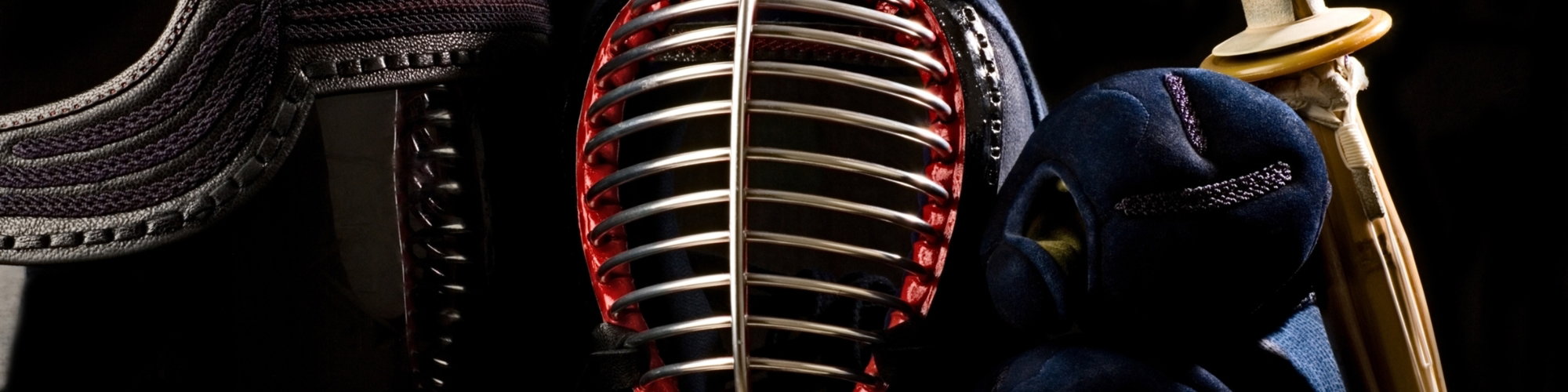
- Full armor for sparring. The Korea Kumdo Association describes the hogu's parts: a head guard that protects the head and face, gloves that protect the wrists, a chest guard that protects the chest and body, and an apron that wraps around below the waist. The association's rules say armor must be worn firmly so it does not come loose during a match.
- Equipment checks. Under the match rules, torn gloves are replaced to prevent danger.
- Set targets only. Points count only on the head, wrists and waist and for a thrust to the throat.
- Injuries in matches. If a player is hurt during a match, referees ask for a doctor's opinion and consider the coach's view before deciding whether play continues.
What should parents look for in a program?
The AAP's HealthyChildren.org advice for youth sports: make sure safety is a priority, including the setting, equipment, protective gear, program design and rules of play. Get feedback from other parents and children, try to check out a program before joining, and look for children having fun.
More on choosing a school: When Should a Child Start Martial Arts?
FAQ
Is martial arts safe for kids?
The AAP says martial arts can be done in a relatively safe manner if practiced appropriately, and that no sport is entirely without risk.
Does Kumdo armor prevent concussions?
The AAP says no protective equipment has been shown to help prevent concussions, though gear can help with many soft-tissue and dental injuries.
When do kids start sparring in Kumdo?
The Korea Kumdo Association says a beginner can learn the basics in about three months and can then start wearing armor. Ask your instructor when your child is ready.
Kumdo for kids near Washington, DC
US Hwa Rang Kwan Kumdo teaches kids, teens and adults (ages 7 and up) in Chantilly, Virginia and Ellicott City, Maryland. New students at the Chantilly, VA dojang can start with 3 semi-private lessons for $19.99. For Ellicott City, please contact us before you visit.