 US Hwa Rang Kwan
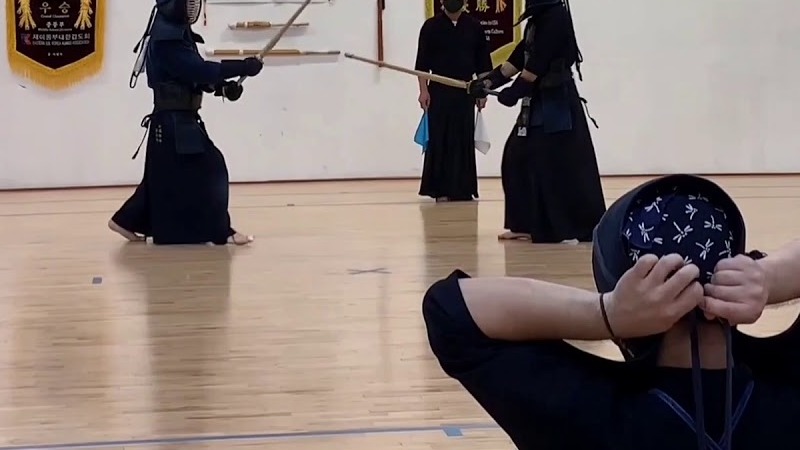
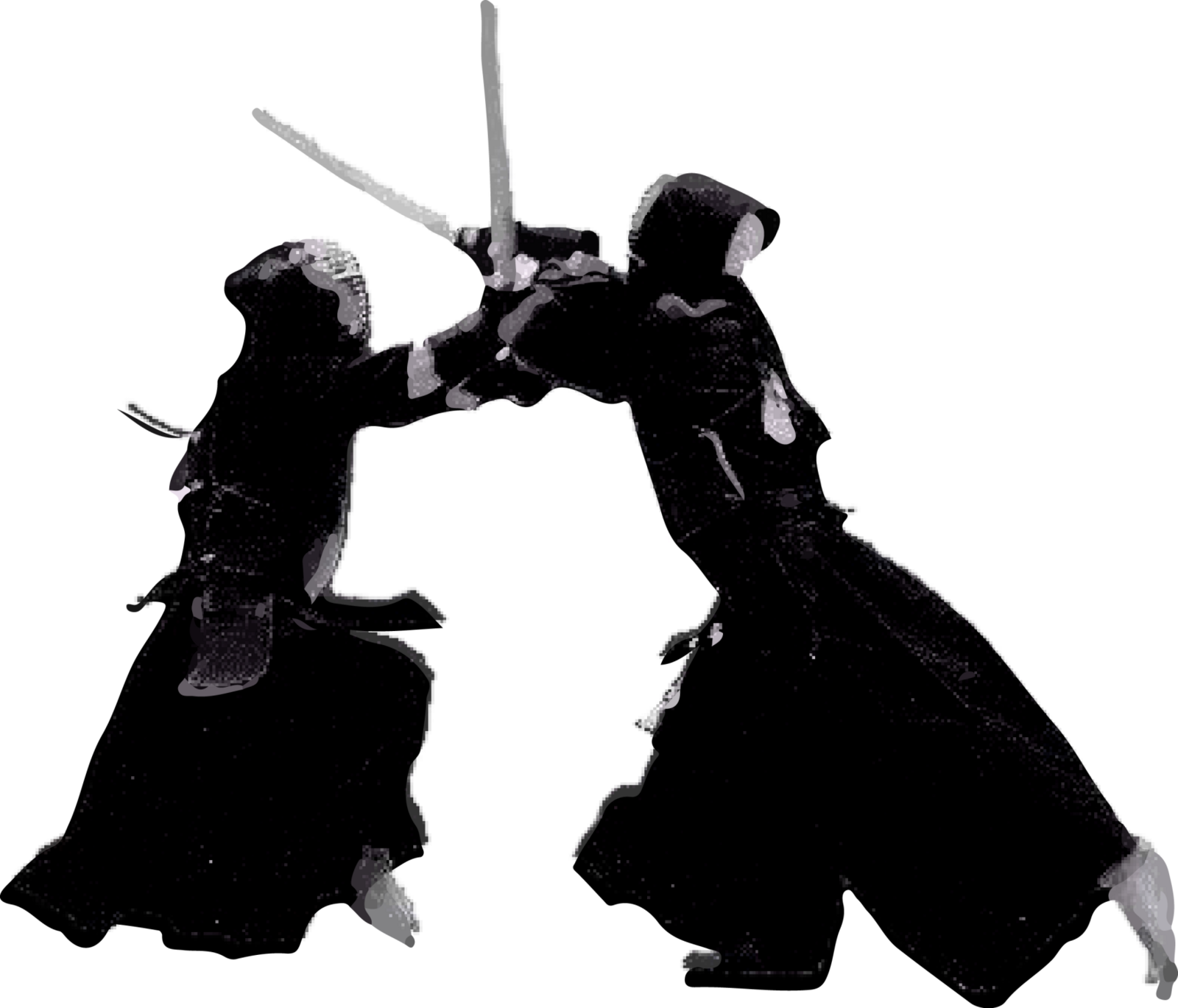
Heel pain after Kumdo practice often comes from the same causes as heel pain in other sports. Mayo Clinic says the most common causes are plantar fasciitis, which affects the bottom of the heel, and Achilles tendinitis, which affects the back of the heel. In the Korea Kumdo Association's description of the basic strike, the back (left) foot pushes off and the front (right) foot steps forward. If your heel hurts, rest it, ice it, and see a doctor if the pain does not settle.
This page is general information, not medical advice. If you have heel pain, talk to a doctor.
Why can Kumdo footwork stress the heel?
In the Korea Kumdo Association's description of the basic strike, the left foot pushes off strongly and the right foot steps one step forward.
Medical sources list similar kinds of load as risk factors for heel problems. Mayo Clinic lists sports that involve jumping or quick movements as a risk factor for plantar fasciitis. The American Academy of Orthopaedic Surgeons (AAOS) lists new or increased activity and repetitive high-impact activity. For the Achilles tendon, AAOS says the problem often starts when people do too much, too quickly.
What are the common causes of heel pain?
Plantar fasciitis (bottom of the heel)
Mayo Clinic says plantar fasciitis typically causes a sharp, stabbing pain in the heel, especially with the first steps in the morning. AAOS adds that the pain is often greater after exercise than during it. Both say it is most common between the ages of 40 and 60. AAOS lists tight calf muscles, flat feet or a high arch, and obesity among other risk factors.
Achilles tendinitis (back of the heel)
The Achilles tendon connects the calf muscles to the heel bone. AAOS says tendinitis results from repetitive stress on the tendon. Mayo Clinic says it is common in middle-aged people who play sports only on weekends.
Heel fat pad syndrome and heel bruise
Cleveland Clinic says heel fat pad problems are the second leading cause of pain under the heel after plantar fasciitis, and are often mistaken for it. The pain is deep or bruise-like in the middle of the heel, and can be worse when walking barefoot on hard floors. Mayo Clinic also lists a heel bruise as an injury that can cause heel pain.
What can you do about heel pain?
These are self-care steps that Mayo Clinic, AAOS and Cleveland Clinic describe:
- Rest. Cut back on activities that pound the heel on hard surfaces.
- Ice. Mayo Clinic suggests ice on the heel for 15 to 20 minutes, three times a day. AAOS suggests rolling the foot over a cold water bottle or ice for 20 minutes, 3 to 4 times a day.
- Stretch. For plantar fasciitis, AAOS calls stretching the calves and the plantar fascia the most effective way to relieve the pain.
- Support. For plantar fasciitis, Mayo Clinic suggests shoes with good arch support, thick soles and plenty of cushioning. For fat pad pain, Cleveland Clinic lists heel cups, shoe inserts and cushioned socks.
If your heel hurts, let your instructor know before class.
Mayo Clinic says most people with plantar fasciitis recover within a few months using simple treatments that do not involve surgery.
When should you see a doctor?
Mayo Clinic says to seek immediate medical care if you have serious heel pain right after an injury, serious pain and swelling near the heel, cannot bend the foot downward, rise on your toes or walk as usual, or have heel pain with fever and numbness or tingling. AAOS says a sudden pop in the back of the calf or heel may mean a torn Achilles tendon; see a doctor right away. Mayo Clinic also says to book a visit if heel pain lasts more than a few weeks even after rest and ice.
FAQ
Why does my heel hurt in the morning after Kumdo?
Pain with the first steps in the morning is a typical sign of plantar fasciitis, according to Mayo Clinic and AAOS. Have a doctor check it.
Should I keep practicing Kumdo with heel pain?
Medical sources advise resting from activities that stress the heel. Talk to your doctor and your instructor before you go back to full practice.
How long does plantar fasciitis take to heal?
Mayo Clinic says most people recover within a few months with simple treatments. AAOS says more than 90% improve within 10 months of starting simple treatment.
Train at US Hwa Rang Kwan
US Hwa Rang Kwan Kumdo teaches students 7 years and older in Chantilly, Virginia and Ellicott City, Maryland. New students at the Chantilly, VA dojang can start with 3 semi-private lessons for $19.99. For Ellicott City, please contact us before you visit.
Sources
- Mayo Clinic: heel pain causes and when to see a doctor
- Mayo Clinic: plantar fasciitis symptoms and causes
- Mayo Clinic: plantar fasciitis diagnosis and treatment
- Mayo Clinic: Achilles tendinitis
- AAOS OrthoInfo: plantar fasciitis and bone spurs
- AAOS OrthoInfo: Achilles tendinitis
- Cleveland Clinic: heel fat pad syndrome
- Korea Kumdo Association: basic techniques