 US Hwa Rang Kwan
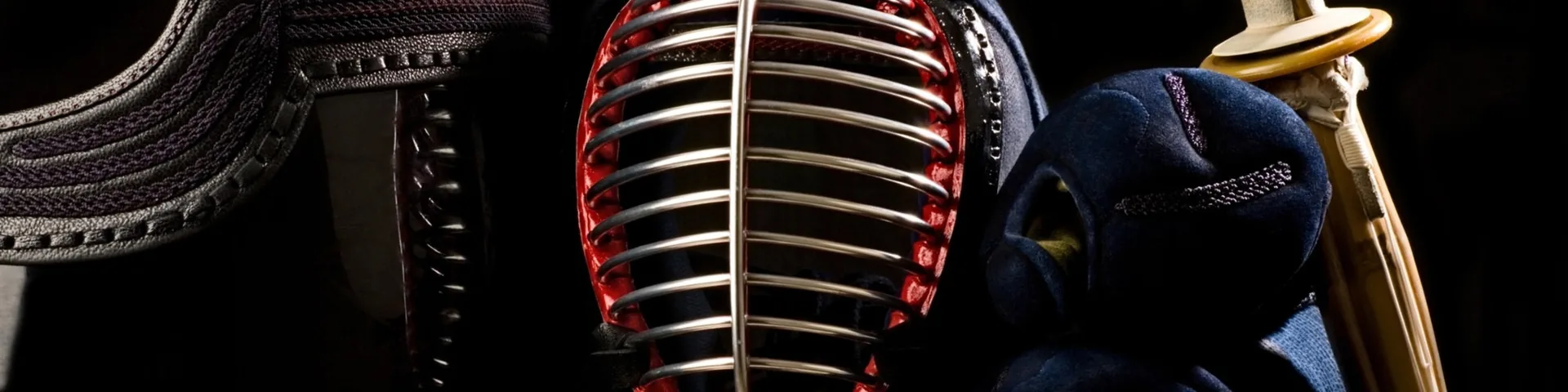
Hwarang (화랑) were the young leaders of the hwarangdo, a youth training group in the Silla kingdom of ancient Korea with educational, military and social roles. The Encyclopedia of Korean Culture says the word means "a man as beautiful as a flower," that the state formally set up the hwarangdo during the reign of King Jinheung (540–576), and that there were some 200 hwarang across the Silla period, with as many as 1,000 followers in a group at its largest. In Silla's long wars with Goguryeo and Baekje, the hwarangdo served as a band of warriors. The Korea Kumdo Association traces the Bongukgeom sword method in Kumdo's history to a hwarang of Silla, and says Kumdo training builds strong focus, patience and balanced whole-body development.
What does Hwarang mean?
Hwarang means "a man as beautiful as a flower," according to the Encyclopedia of Korean Culture. The same entry says the hwarang were also called hwapan, seollang, gukseon and pungwolju.
An outside visitor who came to Silla in 768 described them. Gu Yin, an envoy from Tang China, wrote in his record of Silla that handsome sons of noble families were chosen, powdered and dressed up, and named hwarang, and that everyone in the country looked up to them.
When and why was the hwarangdo created?
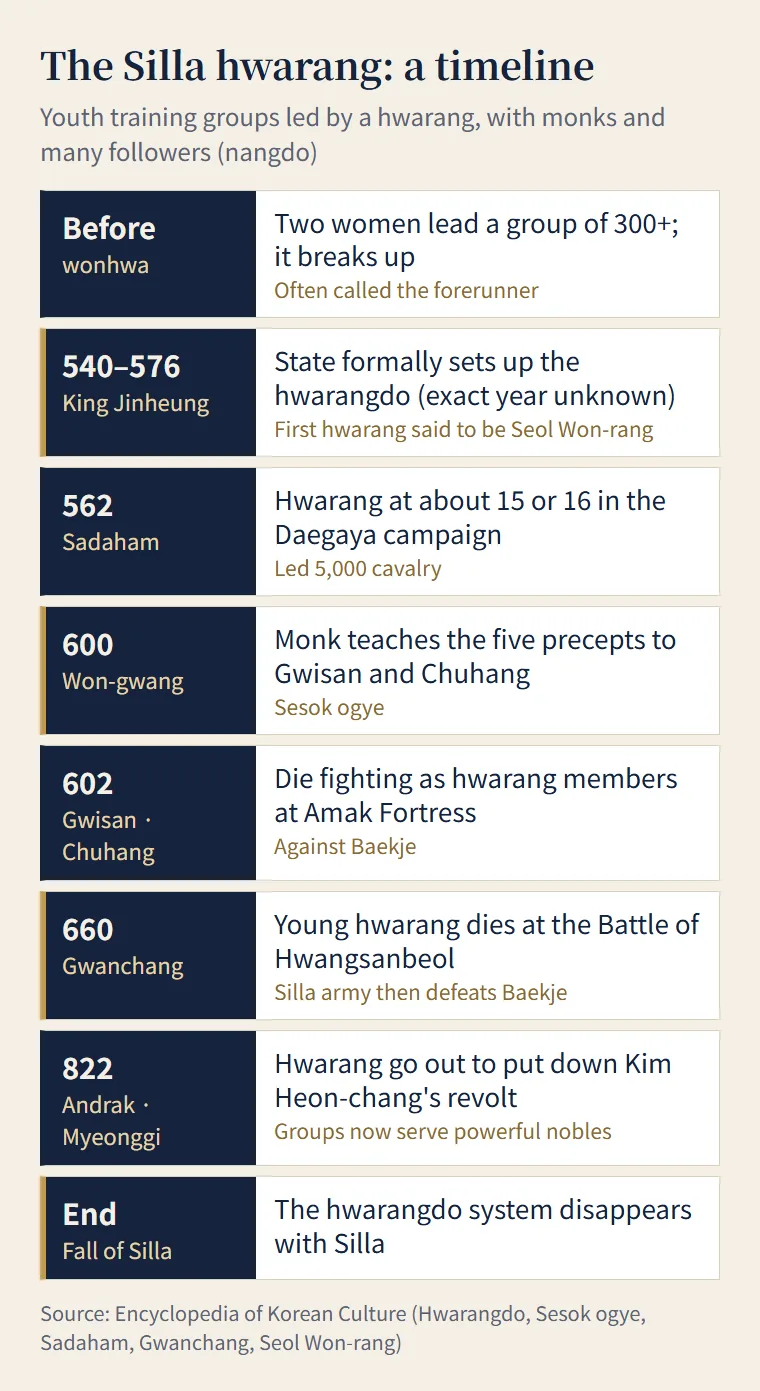
The hwarangdo was formally set up by the state during the reign of King Jinheung (540–576), though the exact year is not known. The Encyclopedia of Korean Culture says it must have come before 562, because Sadaham joined that year's campaign against Daegaya as a hwarang. The first hwarang is said to have been Seol Won-rang.
A system called wonhwa is often called the forerunner of the hwarangdo. It put two beautiful women, Nammo and Junjeong, at the head of a group of more than 300 people. The two became rivals, Junjeong killed Nammo, Junjeong was put to death, and the group broke up.
The court then needed soldiers right away to support its core army, and over the long run it needed to train talented people for the state. The encyclopedia says that is why it hurried to set up the hwarangdo. It was not a state office created by law, but a half-official, half-private group.
Who were the Hwarang warriors?
Each hwarang group had one hwarang, a few Buddhist monks and many followers called nangdo. The hwarang was chosen by the nangdo from among the jingol nobles, for a neat appearance, trustworthiness and an outgoing nature. In the reign of King Jinpyeong, seven or more hwarang groups sometimes existed at the same time.
The monks were chosen for their learning. They wrote song lyrics, helped with the group's ceremonies, and guided the hwarang mostly in learning and spirit.
The rank of the nangdo is not known for certain. The writer of the encyclopedia entry thinks it is right to see the sons of commoners as part of the nangdo too, so the groups took in young people of many ranks living in the capital, who joined of their own will.
Putting the records of the Samguk sagi and Samguk yusa together, the hwarang were usually teenagers between 15 and 18. In Silla, three years was the usual term for a vow, training or duty, and the training period of Kim Yu-sin, a leading hwarang, appears as three years.
How did the hwarang train?
The hwarang trained by traveling to famous mountains and valleys, such as Namsan near Gyeongju, Geumgangsan and Jirisan, to grow their love for the land and cultivate the moral way. The Encyclopedia of Korean Culture adds that these trips also taught them the land's geography.
- Training alone: as Kim Yu-sin did, a hwarang might go alone to a cave deep in the mountains to fast and pray.
- Songs and dances: the encyclopedia says song and dance were an essential part of hwarang training.
- Martial arts: a 2016 study in The International Journal of the History of Sport says hwarang members usually climbed mountains or entered caves alone to hone their skills, or were taught by senior hwarang and experts, and that the monks in the group are thought to have supported their martial arts practice.
What were the five precepts of the hwarang?
The five precepts for secular life (sesok ogye) are the five rules the hwarang were to keep. The Encyclopedia of Korean Culture says the monk Won-gwang taught them in 600 to Gwisan and Chuhang of Saryang-bu, who had asked him for teachings to live by.
- Samgun ichung: serve the king with loyalty.
- Sachin ihyo: serve your parents with filial piety.
- Gyou isin: make friends with trust.
- Imjeon mutoe: never retreat in battle.
- Salsaeng yutaek: be selective in taking life.
Gwisan and Chuhang kept the precepts and died in 602 fighting as members of the hwarang at the Battle of Amak Fortress against Baekje. The encyclopedia adds that the five precepts cannot be seen as belonging only to the hwarang: they put into words the spirit that the people of Silla shared at the time. Of the moral virtues, the hwarangdo especially valued loyalty and trust.
Were the Hwarang real warriors?
Yes, the hwarang were real, and many of them fought for Silla. In the hundred years of war with Goguryeo and Baekje, the hwarangdo served as a band of warriors: in serious times its members were sent into army units, and after their training ended they joined the state's regular units, the dang and jeong, as soldiers.
- Sadaham: a jingol noble who led more than 1,000 nangdo. In 562, at about 15 or 16, he asked to join the campaign against Daegaya, led 5,000 cavalry in a surprise attack on the enemy's gate, and was given 300 (or 200) captives as a reward, all of whom he set free. He died at 17.
- Gwanchang: the son of General Pumil, he became a hwarang young. In 660, at the Battle of Hwangsanbeol against Baekje, he charged the enemy lines and was captured twice; the Baekje general Gyebaek sent him back alive the first time and killed him the second. Moved by his death, the Silla army charged and defeated the Baekje army.
- Kim Yu-sin (595–673): became a hwarang at 15 and led his own nangdo, called the Yonghwa hyangdo. He grew into the general who played a central role in Silla's unification of the Three Kingdoms.
Their role was not only military. The encyclopedia says the hwarangdo helped the weak and sometimes kept night watch over villages. The historian Kim Dae-mun wrote in the Hwarang segi that wise ministers and loyal subjects came out of the hwarang, as did good generals and brave soldiers. The Hwarang segi itself is lost: only this one line survives, quoted in the Samguk sagi. A handwritten copy said to be the Hwarang segi was found in 1989, but whether it is genuine is still debated, and some scholars say it was forged by Bak Chang-hwa.
What happened to the hwarang?
After Silla unified the Three Kingdoms, the hwarangdo slowly lost its purpose as a band of warriors, and its trips to famous places turned into leisure. In the 9th century it changed into groups serving powerful nobles. In 822, the hwarang Andrak and Myeonggi went out to put down the revolt of Kim Heon-chang. The system disappeared with the fall of Silla.
The word itself changed later. In the Joseon Dynasty, "hwarang" came to mean male shamans and entertainers, a meaning completely different from the Silla hwarangdo.
How is Kumdo connected to the hwarang?
The link runs through Bongukgeom, a Korean sword art. The Encyclopedia of Korean Culture describes Bongukgeom as Korea's own sword art, used for martial arts training with the Silla hwarangdo at its center, and says the Muyedobotongji records that it grew out of the sword art of Hwang Chang-rang. The Korea Kumdo Association, in its history of Kumdo, traces the Bongukgeom sword method in the Muyedobotongji to Hwang Chang-rang, a hwarang of Silla.
What are the benefits of Kumdo for young people?
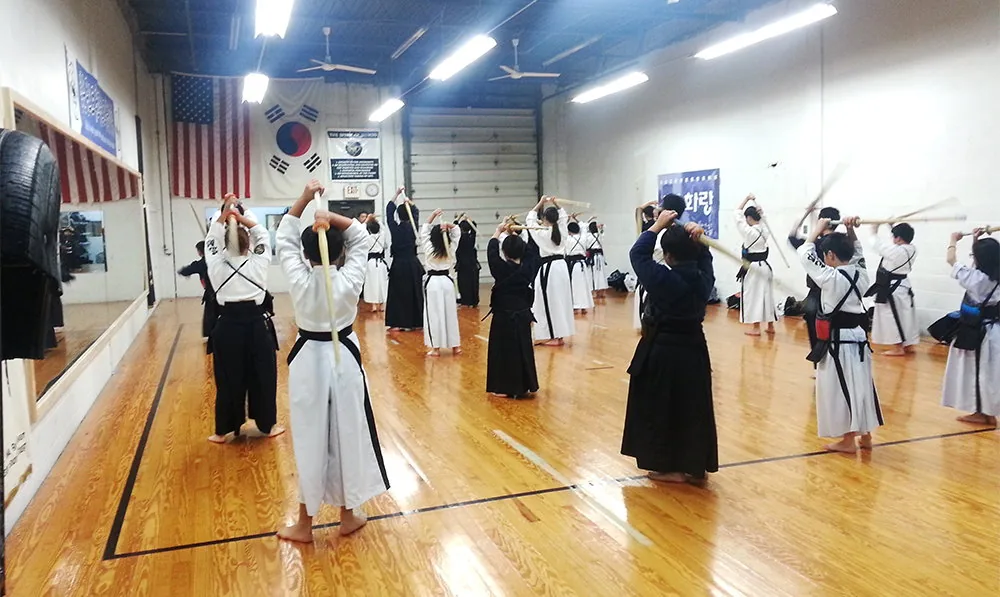
If the hwarang story makes you curious about sword training today, here is what the Korea Kumdo Association says about Kumdo. It says Kumdo training builds strong focus, patience, decisiveness and calm, along with balanced whole-body development, and that stronger heart and lung fitness helps build endurance, quickness and agility. It adds that Kumdo is a great help to young people's emotional growth and manners.
In a 2017 Korean study, 4th and 5th grade boys who did an after-school Kumdo program twice a week for 16 weeks showed better gains in muscular endurance and power than a comparison group. Kumdo is also a sport for the long run: the Encyclopedia of Korean Culture says anyone can train in Kumdo throughout life, regardless of age or sex.
FAQ
What does hwarang mean in English?
Hwarang means "a man as beautiful as a flower," according to the Encyclopedia of Korean Culture. It was the title of the young leaders of Silla's hwarangdo youth groups.
Were the hwarang real?
Yes, the hwarang were real. Korean records such as the Samguk sagi and Samguk yusa describe them, and named hwarang such as Sadaham, Gwanchang and Kim Yu-sin fought in Silla's wars.
What did the hwarang do?
The hwarang led youth groups that traveled to famous mountains to train in the moral way, sang and danced, and served as warriors in Silla's wars with Goguryeo and Baekje. Kim Dae-mun's Hwarang segi says wise ministers, loyal subjects, good generals and brave soldiers came out of the hwarang.
What did the hwarang wear?
Gu Yin, a Tang envoy who came to Silla in 768, wrote that the hwarang were handsome sons of noble families who were powdered and dressed up.
Learn the Korean sword at US Hwa Rang Kwan
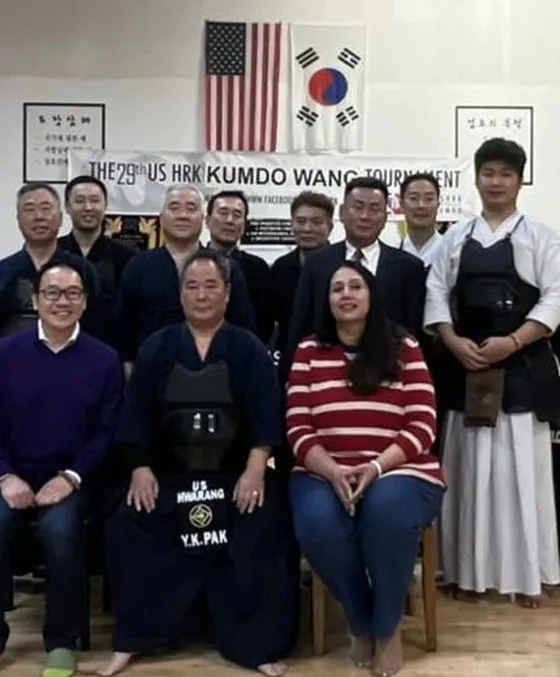
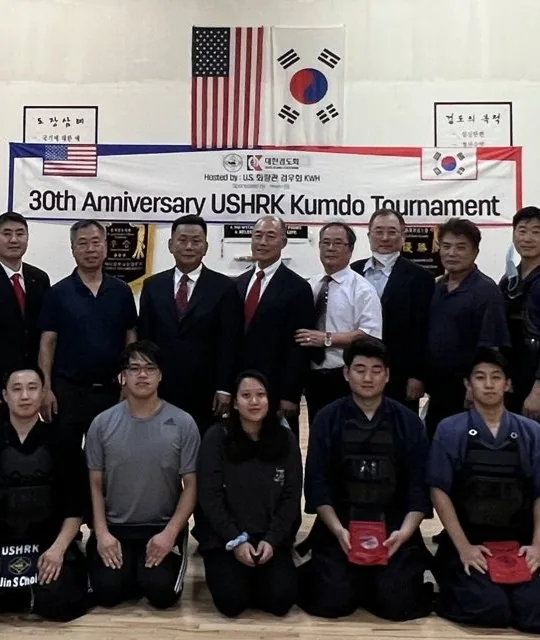
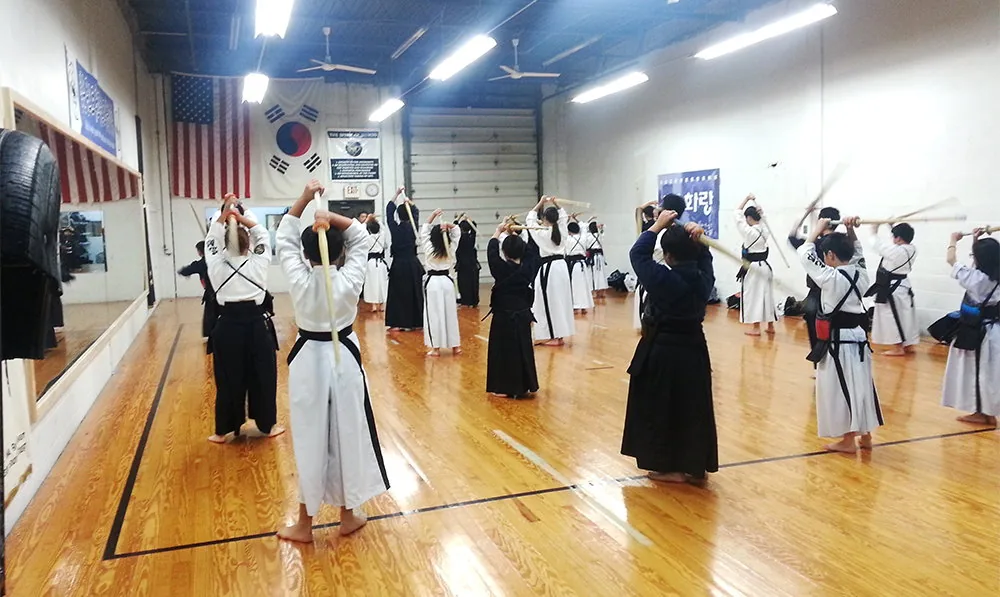
US Hwa Rang Kwan Kumdo is certified by the Korea Kumdo Association and teaches kids 7 years old and up, teens and adults in Chantilly, Virginia and Ellicott City, Maryland. New students at the Chantilly, VA dojang (training hall) can start with 3 semi-private lessons for $19.99. For the Ellicott City dojang, please contact us before you visit. Read more: Korean martial arts history · Names of traditional Korean swords · What is Kumdo?
Sources
- Encyclopedia of Korean Culture: Hwarangdo (in Korean)
- Encyclopedia of Korean Culture: Sesok ogye, the five precepts (in Korean)
- Encyclopedia of Korean Culture: Hwarang segi (in Korean)
- Encyclopedia of Korean Culture: Seol Won-rang (in Korean)
- Encyclopedia of Korean Culture: Sadaham (in Korean)
- Encyclopedia of Korean Culture: Gwanchang (in Korean)
- Encyclopedia of Korean Culture: Kim Yu-sin (in Korean)
- Encyclopedia of Korean Culture: Bongukgeom (in Korean)
- Encyclopedia of Korean Culture: Kumdo (in Korean)
- Park K. and Ok G., "Martial Arts and Ideology of Hwarang, the Ancient Korean Warrior," The International Journal of the History of Sport, 2016
- Park J. and Kim Y., after-school Kumdo program and children's fitness, Korean Journal of Measurement and Evaluation in Physical Education and Sports Science, 2017 (in Korean)
- Korea Kumdo Association: About Kumdo (in Korean)